
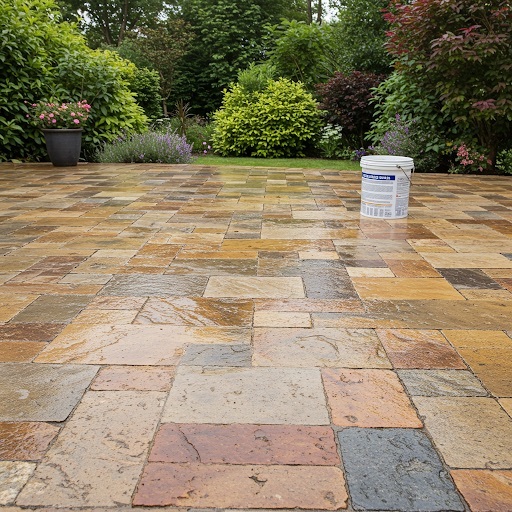
Natural stone is a prized material in homes, commercial spaces, and outdoor landscapes. Whether it’s granite countertops, marble floors, travertine patios, or limestone walkways, stone surfaces add sophistication and durability to any setting. However, their natural beauty comes with a caveat—they are porous and prone to damage if not properly sealed.
Sealing natural stone is a non-negotiable step in stone care. Without proper protection, stone absorbs moisture, accumulates stains, and gradually deteriorates due to exposure to UV rays, chemicals, and foot traffic. A high-quality sealant preserves the stone’s integrity, enhances its appearance, and extends its lifespan.
From indoor surfaces to outdoor installations, understanding the best stone sealing methods, frequency, and maintenance practices will ensure your investment stands the test of time. This guide covers everything you need to know about choosing the right sealer, application techniques, and the benefits of stone sealing.
Why Stone Sealing Matters
1. Stain Protection: Keeping Your Stone Spotless
Natural stone has microscopic pores that act like tiny sponges, absorbing liquids and dirt. If left unsealed, spills from coffee, red wine, oil, and acidic substances can seep in, leaving permanent stains. A stone sealer creates an invisible barrier, preventing stains from setting and making cleaning easier.
2. Moisture Resistance: Preventing Water Damage
In humid environments or outdoor settings, unsealed stone absorbs moisture, leading to:
- Mold and mildew growth, especially in bathrooms and kitchens.
- Cracking and erosion due to freeze-thaw cycles in colder climates.
- Discoloration, making the stone appear aged and dull.
A penetrating sealer locks out moisture while allowing the stone to “breathe,” preventing trapped water from causing internal damage.
3. Weather Protection: Guarding Against Sun & Rain
Outdoor stone surfaces, such as pavers, patios, and pool surrounds, are exposed to rain, UV rays, and extreme temperature changes. Over time, the stone can fade, weaken, or develop surface cracks.
A UV-resistant, water-repellent sealer ensures that outdoor stone retains its color and structural integrity, even under harsh conditions.
4. Scratch and Wear Resistance: Prolonging Lifespan
Daily wear and tear can make stone dull and rough over time. High-traffic areas, like hallways, driveways, and countertops, suffer the most.
A good sealant reinforces the stone’s surface, reducing the likelihood of:
- Scratches from furniture and footwear.
- Abrasion from grit, sand, and debris.
- Loss of polish due to constant use.
5. Easier Cleaning and Maintenance
Sealed stone repels dirt and grime, making routine cleaning a breeze. Instead of scrubbing endlessly to remove stains, a simple wipe with a damp cloth or mop keeps the surface looking fresh and polished.
Types of Stone Sealers: Choosing the Right Protection
Not all sealers work the same way. Different stone types require specific sealers to preserve their unique properties. Here are the most common types:
1. Penetrating (Impregnating) Sealers
✔ Best for: Porous natural stones like limestone, travertine, and sandstone.
✔ How it works: Absorbs deep into the stone, repelling water and stains while maintaining the natural look.
✔ Ideal for: Both indoor and outdoor use.
2. Topical Sealers
✔ Best for: Marble, granite, and polished surfaces.
✔ How it works: Forms a protective layer on top of the stone, enhancing shine while protecting against scratches.
✔ Ideal for: Indoor use, particularly kitchen countertops and decorative stone installations.
3. Enhancing Sealers
✔ Best for: Darker stones like basalt, slate, and quartzite.
✔ How it works: Deepens the stone’s natural color while providing stain and water resistance.
✔ Ideal for: Both interior and exterior applications where color enhancement is desired.
4. Wet Look Sealers
✔ Best for: Outdoor stone surfaces such as concrete pavers, flagstone, and decorative walkways.
✔ How it works: Adds a glossy, wet appearance while sealing the surface.
✔ Ideal for: Driveways, patios, and pool decks.
Stone Sealing Methods: A Comparison of Techniques
| Feature | Stone Sealing | Natural Stone Sealing | Sealing Stone Outside |
| Purpose | Protection against stains, moisture, and damage | Specifically for porous natural stones | Protection from rain, UV rays, and temperature changes |
| Cost | $0.50–$2 per sq. ft. | $1–$3 per sq. ft. | $1–$2.50 per sq. ft. |
| Durability | High (depends on sealer type) | High (with regular maintenance) | Moderate to High (varies by climate) |
| Method | Spray or apply sealer with a roller or brush | Specialized sealers for different stone types | Water-resistant, UV-blocking sealants |
| Application Frequency | Every 1–3 years | Every 1–2 years | Every 2–4 years (depending on environmental exposure) |
| Surface Types | Works on most stones | Best for granite, marble, travertine | Ideal for patios, driveways, and pool decks |
| Maintenance | Low (easy to clean and reseal) | Moderate (requires deep cleaning before resealing) | Moderate (frequent reapplication may be needed) |
How to Seal Natural Stone: A Step-by-Step Guide
1. Clean the Surface Thoroughly
Before sealing, remove all dirt, grease, and previous coatings. A pH-neutral cleaner works best for indoor stone, while pressure washing is effective for outdoor surfaces.
2. Allow the Stone to Dry Completely
Sealing a damp stone traps moisture, leading to bubbling, hazing, or improper adhesion. Wait at least 24 hours after cleaning before applying a sealer.
3. Choose the Right Sealer
Select a sealer based on the stone type, location, and desired finish.
4. Apply the Sealer Evenly
- Use a roller, paintbrush, or sprayer for uniform coverage.
- Allow the stone to absorb the first coat before applying a second layer, if needed.
- Wipe off any excess sealer to prevent residue buildup.
5. Allow Proper Drying and Curing
Most sealers take 24–48 hours to fully cure. Avoid foot traffic, water exposure, and placing heavy objects on the surface during this period.
Frequently Asked Questions About Stone Sealing
1. What does stone sealer do?
A stone sealer protects surfaces from moisture, stains, and wear, increasing durability and maintaining the stone’s natural beauty.
2. How long does stone seal last?
Depending on the sealer and stone type, sealant longevity ranges from 1–4 years, with outdoor stones requiring more frequent resealing.
3. What is the best way to seal stones?
Use a penetrating sealer for porous stones and a topical sealer for polished surfaces. Always apply two thin coats instead of one thick layer.
4. What happens if you don’t seal stone?
Unsealed stone absorbs moisture, stains easily, and deteriorates over time, leading to costly repairs or replacement.
Sealing natural stone is essential for preserving its durability, beauty, and resistance to environmental stressors. Whether for interior countertops or exterior patios, proper sealing ensures longevity and effortless maintenance. Investing in the right stone sealer today means a lifetime of elegance and protection.
Meta Title: Stone Sealing: Protect Your Natural Stone with Professional Sealing Services
Meta Description: Learn everything about stone sealing, including techniques for natural stone, tile sealing, and outdoor stone surfaces. Get expert tips for cleaning and sealing stone effectively.