
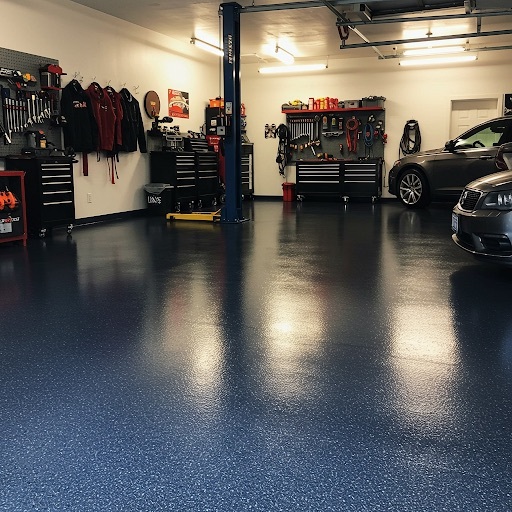
A garage is more than just a place to park a car—it’s a workspace, a storage hub, a home gym, or even an extension of your living space. And yet, the flooring is often overlooked, left to bear the brunt of heavy vehicles, oil spills, and everyday wear and tear.
Choosing the right garage flooring isn’t just about aesthetics—it’s about durability, functionality, and long-term value. Whether you need a sleek, professional finish, a cushioned surface for workouts, or a quick DIY solution, there’s an option to suit every need.
From high-gloss epoxy coatings to practical rubber flooring and easy-to-install garage floor rolls, this guide breaks down the best garage flooring choices, helping you make an informed decision.
Epoxy Flooring: High-Performance, Sleek, and Long-Lasting
Why Epoxy is a Top Contender
When it comes to garage flooring that lasts, epoxy reigns supreme. This two-part resin system creates a seamless, ultra-durable surface that can withstand heavy loads, oil spills, and chemical exposure—all while looking like a showroom floor.
Pros of Epoxy Garage Flooring:
✔ Extreme durability – Withstands 10–20 years of wear and tear.
✔ Customizable aesthetics – Available in solid colors, metallic finishes, and decorative flake coatings.
✔ Chemical and stain resistance – Impervious to oil, gasoline, and household chemicals.
✔ Easy to clean – A simple mop or hose-down keeps it looking new.
✔ High water resistance – Ideal for garages prone to moisture exposure.
Cons of Epoxy Garage Flooring:
✖ Installation takes time – Requires multiple coats, curing time, and professional expertise.
✖ Can be slippery – If untreated, the glossy finish can be slick when wet (though anti-slip additives help).
✖ Prone to cracking – If applied over a poorly prepared concrete surface, epoxy can delaminate or crack over time.
Best for:
- Homeowners seeking a sleek, professional look.
- Those who want a long-term flooring solution.
- High-traffic garages, workshops, and showrooms.
Rubber Flooring: The Ultimate Choice for Home Gyms and Cushioning
Why Rubber Flooring Stands Out
If you’re transforming your garage into a gym or need a surface that absorbs shock, noise, and impact, rubber flooring is your go-to option.
Available in tiles, mats, or rolls, rubber flooring provides excellent grip, flexibility, and resilience, making it perfect for garages that double as workout spaces.
Pros of Rubber Garage Flooring:
✔ Cushioned surface – Reduces stress on joints, knees, and backs.
✔ Slip-resistant – Provides excellent traction, even when wet.
✔ Impact-resistant – Can withstand dropped weights, heavy equipment, and foot traffic.
✔ Waterproof and stain-resistant – Spills? No problem.
Cons of Rubber Garage Flooring:
✖ Not ideal for heavy vehicle traffic – Rubber can compress under the weight of parked cars.
✖ Limited aesthetic options – More functional than stylish, though black and gray options are available.
✖ Can have an initial odor – Some rubber flooring products have a strong rubber smell that fades over time.
Best for:
- Garage gyms and fitness areas.
- Workspaces that require extra comfort underfoot.
- Households needing slip-resistant, shock-absorbent flooring.
Garage Flooring Rolls: The Fast and Affordable DIY Solution
Why Garage Floor Rolls Are Popular
For homeowners looking for a quick, budget-friendly flooring upgrade, garage flooring rolls (often made from PVC, rubber, or vinyl) provide an instant transformation. These pre-cut rolls cover large areas effortlessly, requiring minimal prep work.
Pros of Garage Flooring Rolls:
✔ Quick and easy installation – Just unroll, trim, and secure.
✔ Affordable – Cost-effective compared to other flooring options.
✔ Variety of styles and colors – Available in diamond plate, coin patterns, and solid colors.
✔ Easy to replace – Simply swap out sections as needed.
Cons of Garage Flooring Rolls:
✖ Less durable than epoxy or rubber – Can wear out faster under heavy vehicle use.
✖ Edges and seams require maintenance – If not secured properly, edges may lift or curl over time.
✖ Some materials absorb moisture – Depending on the type, waterproofing may vary.
Best for:
- DIYers looking for an easy installation.
- Budget-conscious homeowners.
- Temporary or seasonal garage upgrades.
Best Garage Flooring Options: A Side-by-Side Comparison
| Feature | Epoxy Flooring | Rubber Flooring | Garage Flooring Rolls |
| Aesthetic Appeal | Glossy, customizable finishes | Simple, textured or smooth | Available in multiple colors & patterns |
| Cost | $4–$12 per sq. ft. | $2–$5 per sq. ft. | $1–$4 per sq. ft. |
| Durability | High (10–20 years) | Moderate to High (5–15 years) | Moderate (5–10 years) |
| Installation Time | Moderate (requires professional installation) | Fast (DIY-friendly) | Fast (DIY-friendly) |
| Maintenance | Low (resistant to stains and easy to clean) | Low (water and stain-resistant) | Moderate (requires care for edges & seams) |
| Slip Resistance | High (can be treated for extra grip) | High (naturally slip-resistant) | Moderate (varies by texture) |
| Water Resistance | High (resistant to chemicals & moisture) | High (waterproof) | Moderate (may absorb some moisture) |
Frequently Asked Questions About Garage Flooring
What type of floor is best for a garage?
The best garage floor depends on your needs. Epoxy flooring is perfect for a sleek, high-durability finish. Rubber flooring is ideal for gyms or workspaces, while garage flooring rolls provide a quick, budget-friendly solution.
What is the best material to use on a garage floor?
For long-term durability, epoxy is the best choice. If comfort is a priority, rubber flooring works well. If affordability is key, garage rolls are a good option.
What is better than epoxy for garage floors?
While epoxy is one of the top choices, polyaspartic coatings offer even faster curing times and increased durability but at a higher price.
What is the best solution for a garage floor?
If you want a low-maintenance, long-lasting surface, epoxy flooring is the best. For a multi-purpose space, rubber flooring offers flexibility.
What is the easiest garage floor to clean?
Epoxy flooring is the easiest to clean—it’s seamless, stain-resistant, and requires minimal maintenance. A simple mop or sweep keeps it looking new.
Choosing the right garage flooring isn’t just about looks—it’s about functionality, durability, and how the space will be used. Whether you opt for epoxy for a high-end finish, rubber for impact resistance, or flooring rolls for quick installation, each option has its unique advantages.
Invest in a flooring solution that suits your needs, and your garage will look better, perform better, and last longer for years to come.